

 See My Latest Article on HelloNation
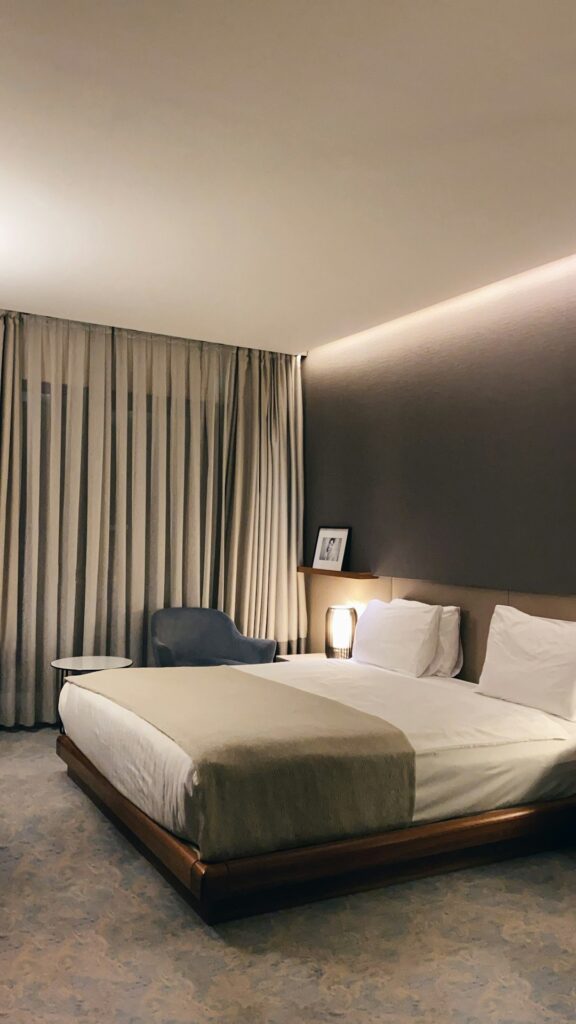
How Are Sleep and Mental Health Connected?
Sleep and mental health influence each other in meaningful ways. Poor sleep can make existing behavioral health concerns worse, while ongoing mental health challenges can interfere with getting restful sleep. For families and individuals in Moberly, recognizing this connection is crucial for maintaining overall well-being, especially as routines and stressors shift with the seasons.
Scientific research shows that problems like persistent insomnia, restless nights, and disrupted sleep schedules are strongly linked to symptoms of anxiety, depression, irritability, and trouble concentrating. Conversely, managing mental health concerns such as chronic stress or mood disorders can also improve sleep quality.
What Sleep Problems Commonly Affect Local Residents?
Short winter days, humid summers, and changes in daily routines impact how much and how well people sleep in Moberly. Some of the most common sleep challenges in area households include:
- Difficulty falling or staying asleep (insomnia)
- Waking up too early and not falling back asleep
- Heavy snoring or pauses in breathing during sleep (sometimes signs of sleep apnea)
- Trouble feeling rested even after a full night in bed
Many local adults and teens mention trouble unwinding at night during farming seasons, busy school periods, or after shift work. Light and noise levels in certain neighborhoods may also interrupt sleep, especially for those living near busy roads or train tracks.
What Mental Health Issues Are Linked to Poor Sleep?
Local and national studies consistently find that disrupted sleep makes some behavioral health symptoms more pronounced. For example:
- Anxiety – Racing thoughts at night can delay sleep, and poor rest can make people more on edge during the day.
- Depression – Chronic poor sleep is both a symptom and a risk factor for depression, creating a difficult cycle.
- Mood changes – Lack of sleep can worsen irritability, low motivation, and difficulty coping with day-to-day stress.
- Attention and memory – Sleep deprivation can make it harder to focus at work or school and can lower academic or job performance.
Some people also report more physical aches, lowered immune response, and increased sensitivity to pain when not sleeping deeply.
What Factors in Moberly Affect Sleep Health?
Moberly’s environment and lifestyle patterns can directly or indirectly shape local sleep quality. Some specific influences include:
- Seasonal daylight shifts: Shorter winter days can disrupt internal sleep-wake rhythms and affect mood.
- Community activities: School events, shift work at local employers, or late-night gatherings may change family sleep routines.
- Home heating and cooling: Humid summers and cold winters mean indoor temperatures may not always be ideal for comfortable sleep.
- Noise: Trains, traffic, or neighborhood activity can disturb sleep for some residents.
Adjusting bedtime routines to seasonally changing conditions—such as closing curtains early in summer months or using white noise—may help create a more restful environment.
What Are Practical Steps To Improve Sleep for Better Mental Health?
Local residents can take several practical actions at home to strengthen their sleep and, by extension, support behavioral health.
- Try to go to bed and wake up at the same time each day, even on weekends.
- Limit large meals, caffeine, and electronics for an hour or two before bed, as these can be stimulating.
- Create a bedroom environment that’s cool, dark, and quiet. Blackout curtains or fans can help.
- Get outside for natural sunlight during regular daylight hours, which helps regulate sleep patterns, especially in the winter.
- Use relaxation routines—such as deep breathing, gentle stretching, or reading—for thirty minutes before sleeping.
- Talk about stressors or worries with a trusted person, journaling them if necessary, rather than ruminating on them in bed.

For school-age children and teens, maintaining a steady school-night routine while encouraging outdoor physical activity is especially important.
When Should Sleep Problems Be Taken More Seriously?
While occasional poor nights are common, certain symptoms may signal a behavioral health or medical issue requiring more attention:
- Nightly insomnia lasting more than a month
- Loud nightly snoring paired with witnessed pauses in breathing
- Uncontrollable daytime sleepiness
- Waking up panicked or confused multiple times in a week
Persistent problems like these may suggest conditions such as severe depression, anxiety disorders, sleep apnea, or the after-effects of traumatic stress. Local healthcare providers can help evaluate and suggest safe next steps, especially if sleep problems are affecting daily life or safety.
Common Myths About Sleep and Mental Health
Information about sleep is everywhere, but not all advice holds up. For local readers, these are some widespread misconceptions:
*Myth: "People can catch up on lost sleep on weekends."
Fact: While sleeping in may feel refreshing, it usually doesn’t fully reverse emotional or physical impacts from chronic short sleep during the week.
*Myth: "If you can't sleep, just stay in bed until you do."
Fact: Lying awake for long periods can become associated with frustration and make insomnia worse. It’s better to do a quiet activity elsewhere until drowsy.
*Myth: "Older adults need less sleep."
Fact: Most adults, regardless of age, still benefit from seven to nine hours of good-quality sleep nightly, though sleep may become lighter or more fragmented with age.
Can Sleep Tracking or Daytime Habits Really Make A Difference?
Tracking sleep quality (either with a journal or an app) can help residents spot patterns, especially across changing seasons. It may also highlight how lifestyle changes—like shifting work hours, reducing caffeine, or staying more active—affect rest and mood. While devices and apps have their limits, their biggest value is helping people build self-awareness and gently establish better routines.
Small steps toward better sleep often result in improved mood, patience, and coping—key supports for behavioral health in any household in Moberly.