

 See My Latest Article on HelloNation
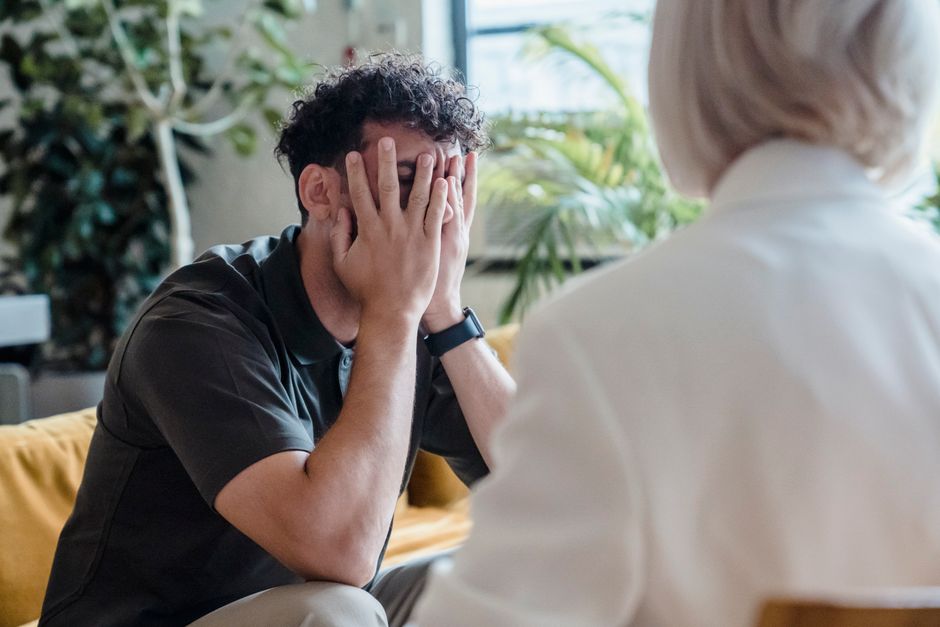
What Is Social Anxiety and How Does It Show Up in Public Places?
Social anxiety is a strong feeling of nervousness or fear in social situations, especially when around unfamiliar people or in places where one might feel judged. In the context of day-to-day life in Moberly, MO, this can arise at local gatherings, community events, the grocery store, school events, or even something as simple as chatting with a neighbor at the park. These feelings might include worries about being embarrassed or doing something wrong in front of others.
Residents often notice symptoms like:
- Racing heartbeat or sweating when around others
- Difficulty making eye contact or starting conversations
- Fear of being criticized or stared at
- Avoidance of group settings or public places
Social anxiety can look different from general shyness. While many in the community may feel awkward in new scenarios, someone coping with social anxiety may go out of their way to avoid everyday activities, which can impact their work, schooling, or relationships.
Can Social Anxiety Be Managed in Everyday Community Life?
Yes; effective management is possible with practical habits and realistic expectations. It helps to know that many adults, teens, and children in the city experience moments of anxiety—especially in unfamiliar or busy public spaces like local events or during seasonal gatherings when attendance increases.
Simple, incremental steps often work best. For example, rather than avoiding crowded local spaces entirely, some find it easier to start by visiting at quieter times or attending with a trusted friend. Practicing brief social interactions, such as greeting a cashier or asking a library worker for assistance, can also help build confidence slowly over time.
What Strategies Make Being in Public Less Overwhelming?
Most people benefit from a blend of preparation, small exposures, and self-care. Before heading into a potentially stressful public situation, consider these strategies:
- Plan ahead: Know where you’re going and visualize small successes, such as entering a room, saying hello, or sitting quietly in a group. Familiarity with the route and parking arrangements can reduce unexpected stress.
- Bring a comfort item: Carrying something familiar (a stress ball, notebook, or favorite accessory) may offer reassurance during anxious moments.
- Use calming techniques: Deep breathing, counting backwards, or mindful observation (noting objects in your surroundings) can help reduce stress on the spot.
- Set clear boundaries: Giving yourself permission to take breaks outside or step into a quieter area—such as stepping out to the hallway at a recreational center—can make public outings feel more manageable.
In Moberly, it’s common for area households to drive rather than walk, so using your car as a personal retreat for a short break is one locally practical option.
Are There Common Misconceptions About Social Anxiety?
Many people see social anxiety as “just being shy,” but the reality is often more complex. It’s not simply a lack of confidence or something that can be willed away by “toughening up.” Social anxiety can affect people of all ages and backgrounds and is not a sign of weak character.
Another misconception is that social anxiety always means someone avoids public places entirely. In truth, local residents may attend gatherings but feel very uneasy doing so, masking their discomfort. Supporting neighbors with empathy and patience, instead of pushing them into uncomfortable situations, can make a difference.
How Can Friends and Family Be Supportive?
Small acts of understanding go far in helping someone manage anxiety in social situations.
- Respect personal space and the need to step away from crowds.
- Offer to accompany them to events, allowing them to set the pace for interactions.
- Encourage efforts gently—acknowledge victories, even if they seem minor.
Sometimes, simply asking “Would you like company, or would you prefer some time alone?” empowers a loved one to express what they need.
What Should Someone Do If Social Anxiety Feels Unmanageable?
Feeling unsettled in large groups or unfamiliar settings is typical, but if discomfort leads to missing work or school, withdrawing from activities, or feeling isolated for long periods, it may be time to discuss concerns with a trusted medical provider. Primary care clinics or school counselors in the city can provide private, non-judgmental support or guidance about next steps.
It’s also helpful to remind yourself that anxiety symptoms tend to ebb and flow over time, and minor improvements should be celebrated. Most people improve through a combination of self-care and gradual exposure, but more serious symptoms (like frequent panic attacks or thoughts of self-harm) should be shared with a qualified health professional.
Are There Specific Triggers or Stressors Unique to Local Life?
Certain local lifestyle patterns can play a role. For example, events like high school sports games, seasonal county fairs, or large community gatherings may trigger anxiety due to crowds, noise, or pressure to engage socially. In colder months, more indoor events can mean tightly packed spaces, while milder weather draws more neighbors outdoors for block parties or local sports.
Understanding personal triggers—such as feeling overwhelmed in small, busy stores after school lets out or anxious before a town meeting—makes it easier to plan outings and practice coping skills with less pressure.
What Practical Steps Can Residents Take Right Away?
Try these simple changes to reduce public stress:
- Choose local stores or parks at calmer, off-peak hours
- Set realistic goals, like staying at an event for 10 minutes
- Practice positive self-talk: Remind yourself that discomfort is normal and temporary
- Talk openly about social nerves with a supportive friend or family member
Keep in mind that many others quietly share these challenges—even familiar faces at community events may have similar worries. Approaching each outing as a chance to try new tools, rather than expecting perfection, can help take the pressure off.